Ministry of Mobility & Urban Planning · Systems design
Hands-Free: Accessible Travel for Everyone
Overview
Accessible travel for everyone.
Hands-Free: Accessible Travel for Everyone is a government-funded initiative to make public transportation accessible to blind and visually impaired users in Monterrey, Mexico, part of the 2020 Agenda of the Ministry of Mobility & Urban Planning.
Facts & Figures
What the pilot proved.
- Piloted with 50 blind and visually impaired users across Monterrey's transport network.
- 70% of users felt safer commuting with the wristband.
- Three quarters of the time lost waiting was recouped, and total travel time was cut in half, while saving on commuting expenses.
- Published as a peer-reviewed essay in the Material Design Journal, and covered in El Norte.
Context & Constraints
A lifeline network built for sighted riders.
Monterrey runs on public transport: 91% of commuters use it, more than half by bus, on a network whose units are largely inaccessible to people with limited mobility. For the city's 15,222 blind and low-vision residents, of whom two thirds rely on that system, a daily commute means high bus steps, invisible routes, and the impossible choice of operating a white cane while also paying a fare. Many pay for taxis they cannot afford to avoid it. Seen as a minority and often overlooked in transit planning, they had no voice in how the system was built.
0 → 1 Design Approach
A systemic redesign, low-tech by design.
I led a systemic-design redesign of accessibility for blind and visually impaired users across Monterrey's (in)formal public transport network — subway, tram, bus and taxi — moving beyond a single fix to system-level recommendations. Working as co-designers rather than subjects, blind and low-vision commuters surfaced the insight that reframed the brief: their hands are how they read the world, so any solution had to be hands-free.
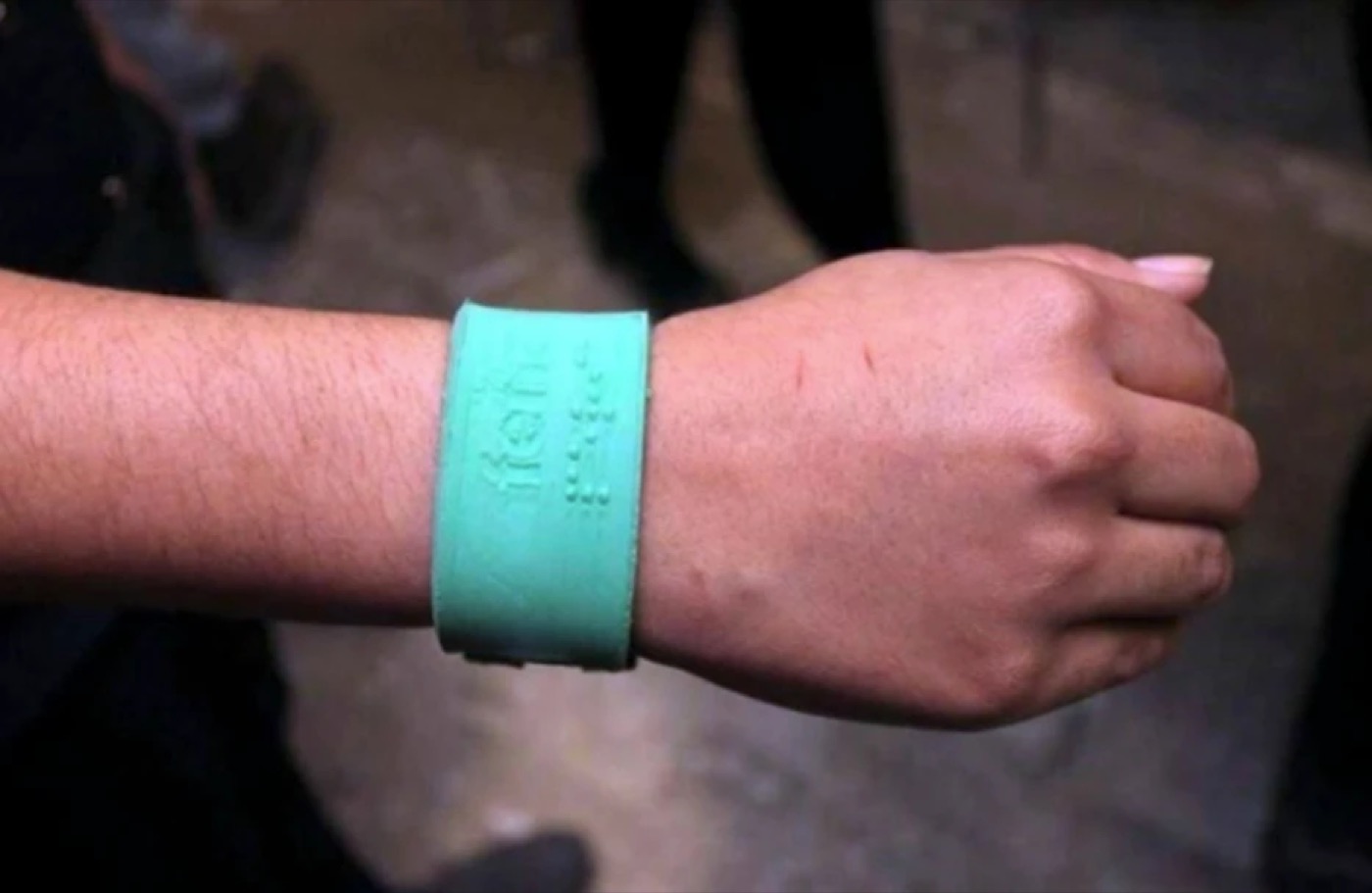
We delivered a low-cost, mass-marketable solution using low-tech, connected RFID wristband wearables, the same contactless technology already inside the city's transit smart cards, balancing accessibility, cost, technology, traceability and scalability for the Ministry of Public Transportation. Braille on the surface signals its purpose to other riders. Future-focused, customer-centered design applied to civic infrastructure.
The solution in context
Tap to pay, hands free, across the city.
The smart bracelet. A worn RFID fare token, tapped at the bus door, so a blind rider can pay and board without letting go of their cane.
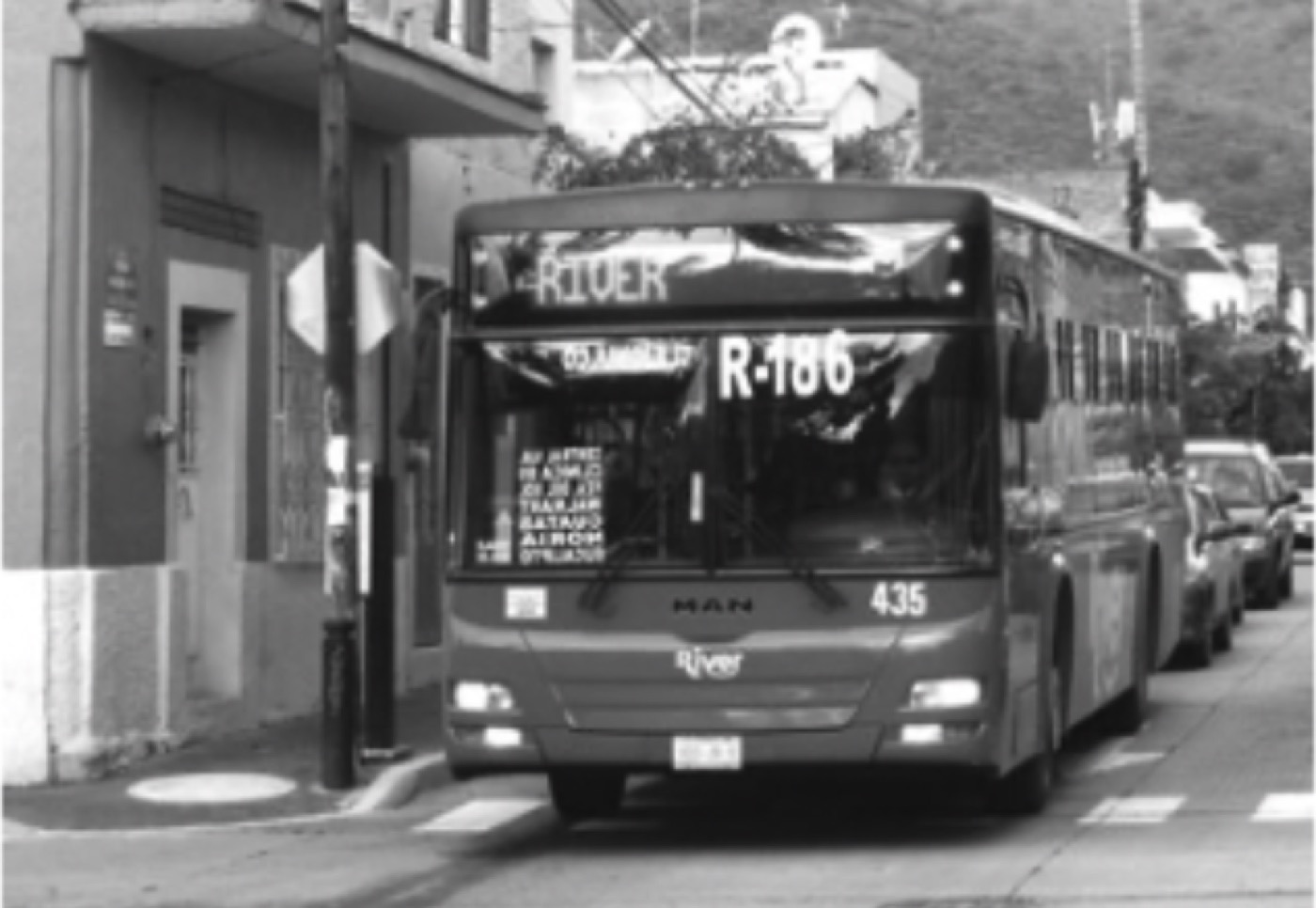
The network. Monterrey's bus fleet, the daily lifeline the redesign had to work within.
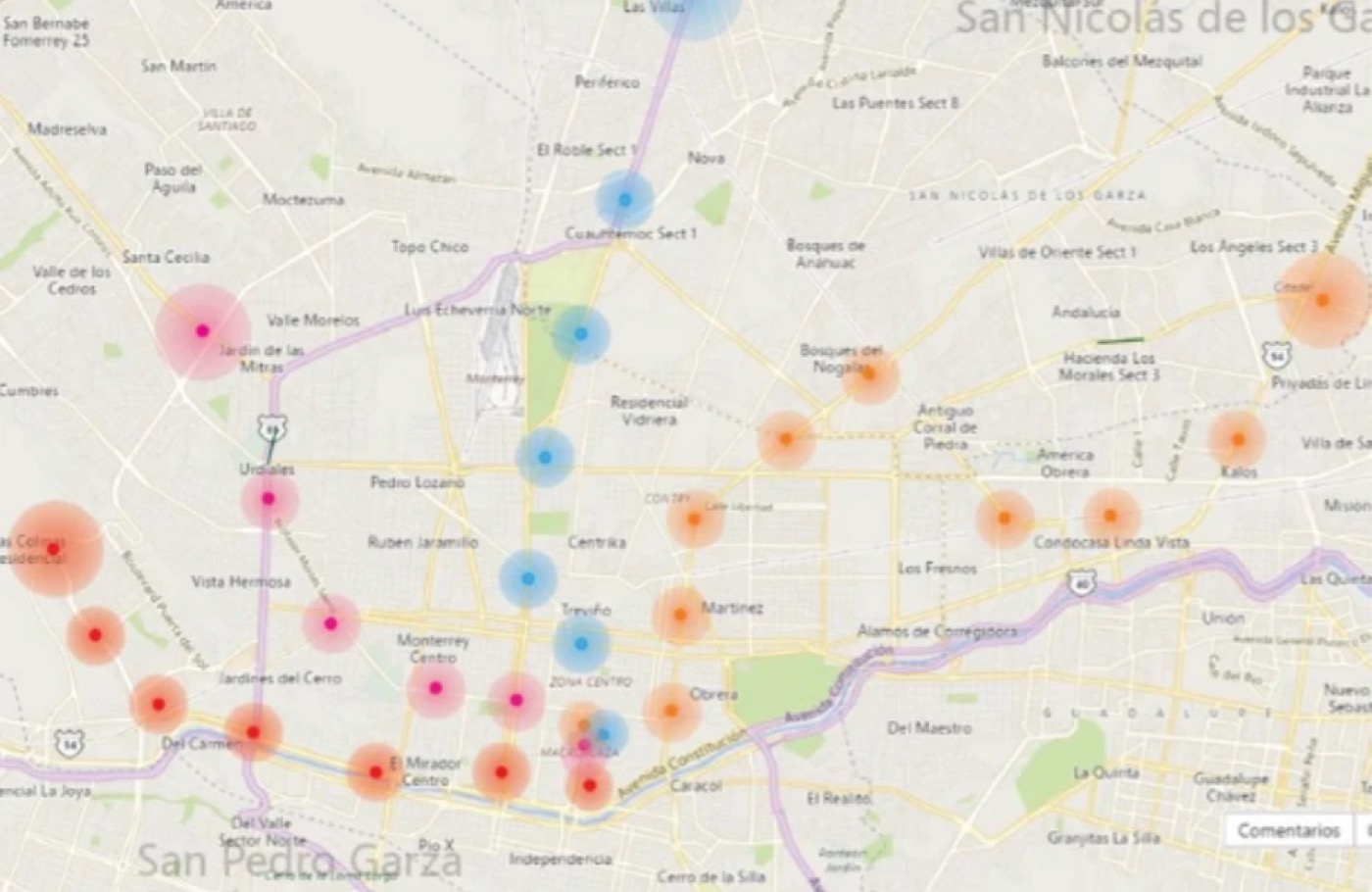
The data. A data-driven mapping of commutes and reach across Monterrey, used to pinpoint where a hands-free solution would matter most.
Outcome
Safer, faster, cheaper commutes.
Piloted with 50 users, who felt 70% safer commuting, recouped three quarters of the time they used to lose waiting, and halved their total travel time, while saving on commuting costs. Riders described their first solo trips through independence and belonging, not logistics.
Because the wristband is built on Universal Design, it works for any rider, not only blind ones, designing for the edge case to improve the system for everyone. Prototypes were manufactured and donated to participants, a petition was filed with Monterrey officials to expand and commercialize it, and the study was published as a peer-reviewed essay in the Material Design Journal (full text ↗) and covered in the newspaper El Norte.