Future of Engagement
2022Globally, brand engagement had become fragmented and transactional, and customers had grown less loyal to companies. Looking ahead to 2025, and taking a deliberately brand-agnostic view: what direction is customer engagement taking, and where should a brand like IKEA play?
- Partner
- IKEA
- Role
- Design research lead
- Type
- Design research
- Markets
- 🇮🇳 India · 🇨🇳 China · 🇺🇸 USA · 🇩🇪 Germany
How engagement is evolving
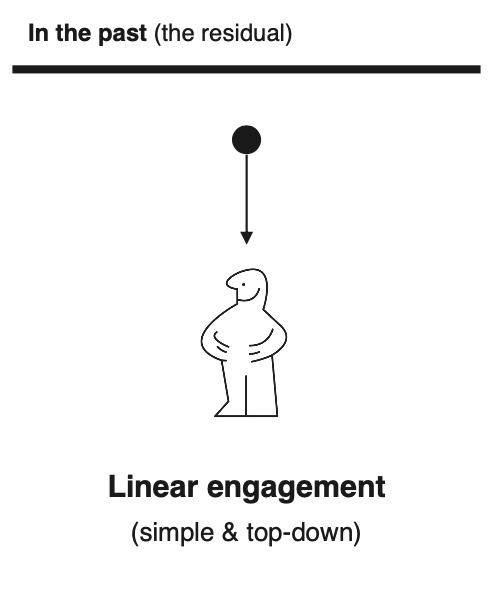
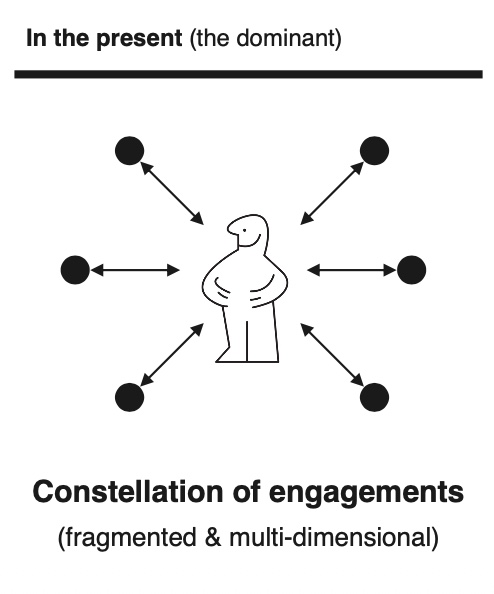
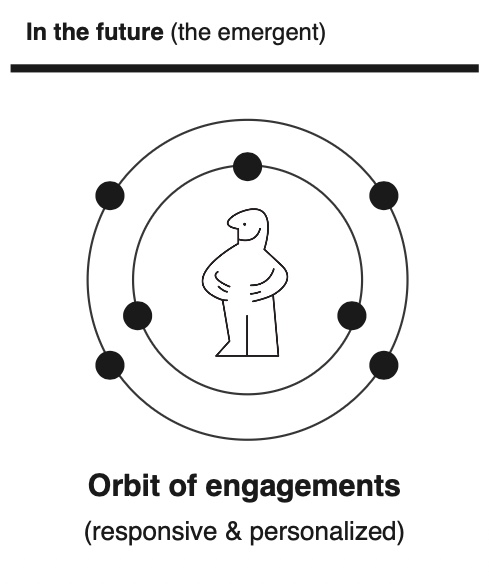
Past · Linear
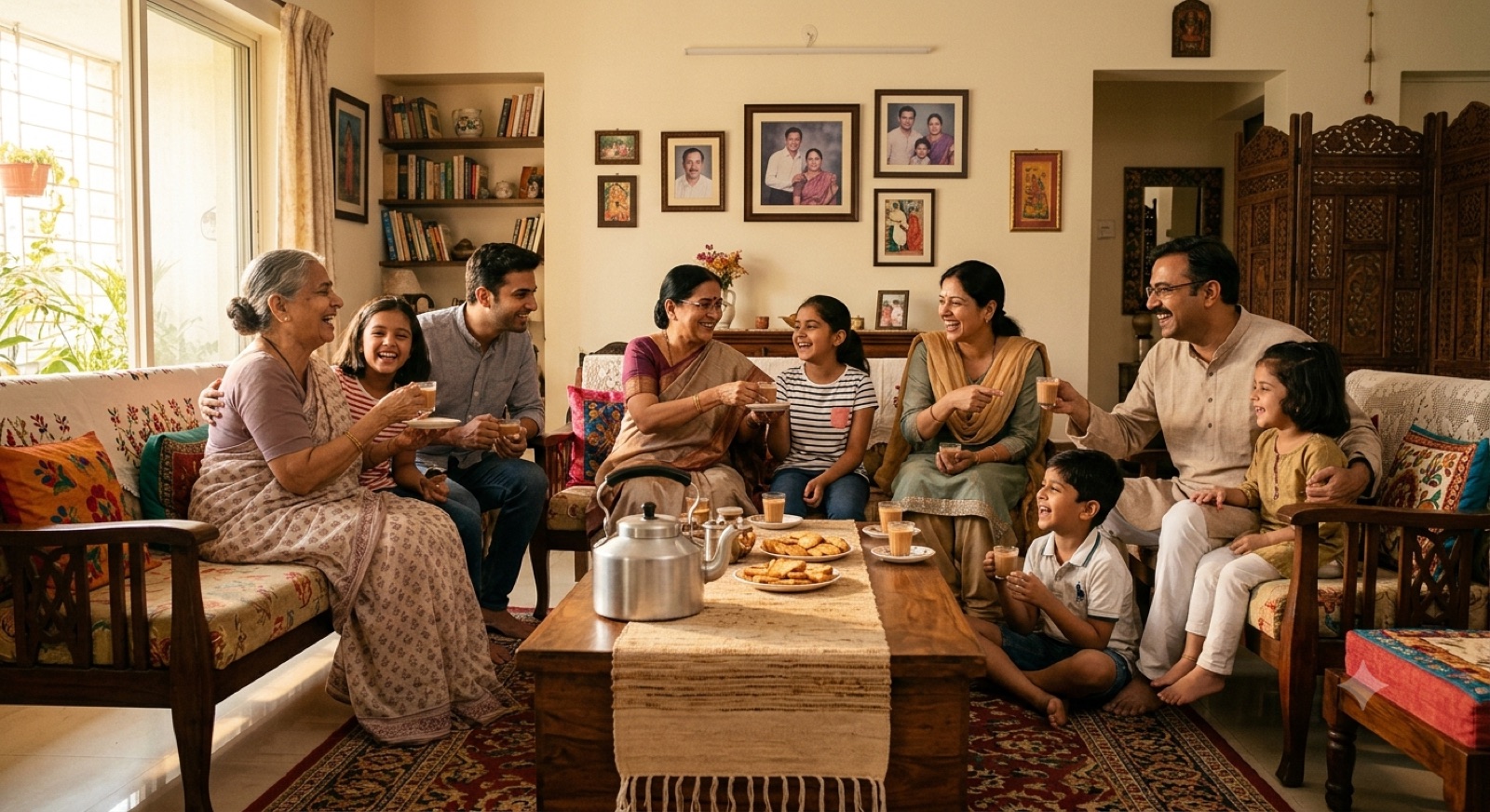


Engagement is becoming more human. From linear (top-down), to a constellation (fragmented and multi-directional), to an orbit (responsive and human). Researched across four markets: 🇮🇳 India, 🇨🇳 China, 🇺🇸 USA, 🇩🇪 Germany. Imagery is AI-generated, for illustration only.
Outcome in numbers
IKEA is widely recognized for its strong consumer engagement and brand health, ranking 7th among all global brands in the YouGov BrandIndex and one of the few non-tech brands to do so. Yet, as the brand gears up for an omni-channel reality, reaching people across more touchpoints than ever, how can IKEA keep a competitive edge on engagement in digital touchpoints without feeling one-directional and shallow?
I co-led the global design research project end to end: one extensive literature review, 20+ expert interviews, and 30+ home visits and ethnographic fieldwork across four key markets, in Bangalore, Shanghai, Berlin and New York, together with another design researcher and a project manager. We synthesized it into a framework that is brand-agnostic by design, so any brand can locate itself within it. The outcomes led to three ideation workshops to understand, empathize with and envision how people in very different cultures actually want to engage with brands.
Engagement framework
I’m engaged by interactions that give me…
Six engagement segments. A brand-agnostic map of how people want to engage. Tap a segment to see how that mode manifests across the four markets.

An Engagement Framework in two parts: a strategic reframe of how engagement is becoming more human, from linear to a constellation to an orbit; and six emotional segments, which let a brand anchor where it is distinctive and stretch into adjacent modes through workshops and ideation sessions.
The Engagement Framework became its own tool, accessible via a dedicated internal site. It became a shared language in the organization, seeding collaborations across teams and informing engagement releases, like those in IKEA China and the IKEA Design System.